


The Hidden Factors That Shape a Successful Garage Door Installation
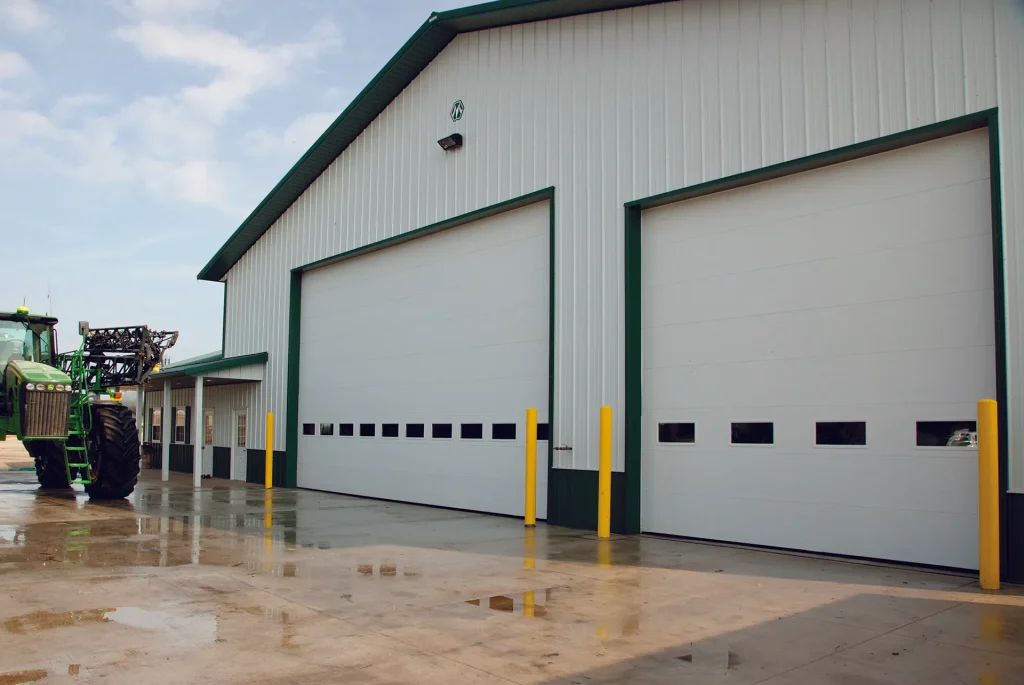
A system can appear fine during a quick test while carrying hidden stress that gradually wears rollers, loosens brackets, and strains the opener. Garage door installation often appears finished the moment the door opens and closes, yet the true quality shows up months later, when daily cycling exposes friction, vibration, and balance issues. Many homeowners only realize something is wrong when garage door maintenance becomes frequent, noises increase, or the door starts moving unevenly during normal use.
A successful residential garage door setup depends on decisions that are easy to overlook because they are not obvious from the curb. Track geometry, spring balance, mounting rigidity, and safety calibration must work together, as each influences how forces propagate through the system. When those details are handled with discipline, routine maintenance remains predictable, garage door repair becomes less common, and emergency garage door service is less likely at inconvenient times.
Opening geometry that looks normal yet creates constant stress
Most garage openings are not perfectly square, level, or plumb, even when the trim looks clean, and the drywall hides framing irregularities. Small differences in header level or jamb plumb can force tracks into a position that appears acceptable but causes side loading on the rollers. Side-loading rarely stops the door immediately, yet it slowly increases bearing wear and can pull hardware out of alignment. A sound approach treats measurement as the first technical step, not a formality to be completed quickly.
- Check both diagonals across the opening to detect racking that can twist the track path.
- Confirm header level across the full span, since a slight slope changes closing pressure and cable behavior.
- Verify both jambs remain plumb from floor to header, because taper forces the door to rub during travel.
- Note the floor slope near the seal line, since uneven contact changes resistance during the final closing inches.
- Observe how the opening behaves under load if framing feels loose, since movement can shift fasteners over time.
Those checks matter because a door that runs through a crooked path will create a predictable wear pattern, even if the opener masks the resistance for a while. Many “mystery” service calls are solved only after the opening geometry is measured properly and the track layout is corrected accordingly.
Find out how site conditions like framing, space, and alignment can affect garage door installation results by reading: How Site Conditions Influence Garage Door Installation Results.
Clearance planning that protects the door and future service access
Clearance is often treated like a simple yes-or-no question, yet the door needs space not only to fit but to move while remaining supported. Tight headroom can force compromises in spring placement and track curvature, while limited backroom can shorten horizontal tracks and increase strain at transition points. Service access matters because routine checks reduce the risk of sudden failures that require emergency garage door service. A garage that leaves little room to inspect springs or tighten brackets often encourages delayed maintenance, which can turn small issues into costly ones.
- Confirm headroom supports spring assemblies and bearing plates with safe access for inspection.
- Verify that the backroom depth allows an adequate horizontal track length so the open door remains properly supported.
- Ensure side room supports parallel track placement rather than a pinched, angled setup that increases friction.
- Identify obstructions such as ducts, lights, or shelving that interfere with travel or safe adjustment work.
- Plan storage so that critical components remain visible enough for garage door maintenance.
Thoughtful clearance planning reduces long-term frustration by keeping the system serviceable and predictable. A door that is difficult to inspect becomes difficult to keep stable, and that instability tends to show up as repeated garage door repair visits.
Learn what can go wrong when garage door installation is rushed and why cutting corners often leads to future problems by reading: What Happens When Garage Door Installation Is Rushed.
Track geometry that decides whether the door glides or grinds
Tracks define the door’s path, and the path determines how evenly rollers carry the load through the vertical rise and the curved transition. A door can move when the tracks are slightly misaligned, yet the rollers will compensate by accelerating bearing wear. Small spacing differences between left and right tracks can cause the door to twist as it moves, which strains hinges and creates panel stress over time. Good track work is measured and verified, not judged by appearance alone.
- Set consistent spacing between the two vertical tracks; uneven spacing pushes rollers toward the track edges.
- Keep vertical tracks plumb to prevent rubbing and reduce side loading at curves.
- Ensure curve sections align smoothly, because kinks create impact loads that loosen hardware.
- Keep horizontal tracks level with appropriate pitch so the open door remains supported without drifting.
- Reinforce joints and connection points, since repeated cycling concentrates stress at those locations.
Track geometry influences noise, smoothness, and long-term stability, and it often explains why one door sounds quiet while another rattles and shakes. Accurate tracking reduces wear that would otherwise increase the frequency of garage door repairs later.
Explore why garage door installation is not a one-size-fits-all process and how customization plays a key role in proper performance by reading: Why Garage Door Installation Is Not One-Size-Fits-All.
Mounting rigidity that prevents slow alignment drift
A track system that flexes under load will shift little by little, and small shifts accumulate into alignment problems that are hard to diagnose without careful measurement. Weak mounting often comes from anchoring into non-structural materials, using undersized fasteners, or spacing brackets too far apart. That kind of looseness creates vibration, and vibration turns into drift, and drift turns into recurring adjustment needs. Strong mounting preserves alignment, protecting rollers and hinges from slow damage caused by inconsistent movement.
- Anchor brackets into structural framing rather than trim boards or thin sheathing that cannot resist pull-out forces.
- Use fasteners with adequate length and diameter for the material, since short screws lose clamping strength.
- Space brackets and hangers based on door weight and span length, not convenience or habit.
- Confirm that the horizontal track supports the door’s weight when fully open and loaded.
- Tighten and recheck hardware after initial cycling, since settling can reveal weak mounting points.
Rigid mounting helps keep routine garage door maintenance straightforward, because adjustments hold longer and wear progresses more slowly. When mounting is weak, the door may feel unpredictable, and that unpredictability often leads to emergency garage door service after a roller derails or a track bends.
A spring balance that separates “it moves” from “it moves correctly.”
Springs should carry most of the door’s weight so the door can move smoothly with minimal effort. When springs are mismatched or unevenly tensioned, the opener compensates by working harder, which accelerates wear on the entire system. Balance problems often go unnoticed in the first weeks, especially when the opener is still lifting the door, yet strain accumulates with every cycle. Correct balance is verified manually, because manual testing reveals whether the system is mechanically healthy before power is added.
- Match spring specifications to verified door weight, especially when insulation or windows add significant mass.
- Balance-test the door at several heights to confirm it stays put rather than drifting up or down.
- Verify even lift on both sides to prevent twisting that increases hinge wear and track friction.
- Inspect cable behavior during travel, since uneven tension often shows up as irregular winding on drums.
- Recheck the balance after a settling period, since early adjustments sometimes shift after repeated cycles.
Balanced springs reduce long-term wear and help keep garage door maintenance predictable. Many recurring garage door repair complaints are actually balance issues that were never properly corrected during the initial setup.
Opener calibration that should confirm a healthy door, not overpower a resisting one
Garage door openers are designed to guide motion and provide convenience, not to defeat mechanical resistance caused by misalignment or poor balance. When force settings are increased to overcome friction, safety margins narrow, and internal opener components wear more quickly. Travel limits must be set so the door closes firmly without crushing seals or slamming into stops that loosen hardware. Safety sensors and auto-reverse functions should be tested in realistic conditions, since a quick check under ideal lighting does not guarantee reliable performance.
- Verify smooth manual travel before connecting the opener so calibration starts from a mechanically sound baseline.
- Set travel limits to avoid hard impacts at the floor and header, as these can loosen brackets and fasteners.
- Confirm auto-reverse response under controlled tests that simulate real obstructions without risking damage.
- Ensure safety sensors remain stable and aligned during lighting changes, as misalignment can cause unreliable behavior.
- Listen for surging, hesitation, or grinding, because those signals often indicate mechanical resistance rather than normal operation.
Correct calibration reduces the risk of sudden opener failures that lead to emergency garage door service. When calibration masks resistance, the system tends to fail later in a way that feels unexpected, even though the stress has been building for months.
Maintenance readiness that starts on installation day
Maintenance does not begin when a door gets loud, because the conditions for easy upkeep are established during the initial build. Service access affects whether inspections, tightening, and lubrication happen consistently. If components are crowded into tight spaces or hidden behind obstacles, routine garage door maintenance becomes less likely and less thorough. Maintenance readiness includes visibility of wear points, safe clearance around springs, and a layout that allows technicians to work without disassembling storage or cutting away obstacles.
- Maintain clearance around springs and bearing plates to ensure inspection and adjustment remain safe.
- Keep key fasteners visible so loosening can be caught early rather than after alignment drift becomes severe.
- Route wiring and sensor components securely so vibration does not pull parts out of position.
- Maintain a track zone free of regular storage so roller and hinge conditions can be checked without hassle.
- Create a simple baseline record of spring type, door weight, and opener settings so future service is efficient.
A system that is easy to maintain tends to stay stable longer, while a system that is hard to inspect tends to drift until a garage door repair visit becomes urgent. Maintenance readiness is a hidden factor that shapes reliability more than most people expect.
The long view that keeps the system predictable
A successful garage door installation is rarely about a single dramatic choice; reliability comes from many small decisions that keep forces balanced and movement smooth. Opening geometry, track alignment, mounting rigidity, spring balance, and opener calibration all contribute to whether the door remains quiet and consistent after thousands of cycles. When those factors are managed carefully, garage door maintenance remains routine, garage door repair becomes less frequent, and emergency garage door service becomes the exception rather than the rule. The best installations look ordinary while quietly performing with stable, repeatable motion for years.
Elite Overhead Garage Doors delivers professional garage door installation, repair, and maintenance services for homes and businesses in Hilton Head. Every service is designed to improve security, functionality, and long-term performance. Licensed and insured technicians provide dependable solutions for new installations, urgent repairs, and routine maintenance. Trusted brands are used to ensure consistent quality and reliable results.
Contact us today or give us a call for expert garage door services in Hilton Head.
Frequently Asked Questions
What hidden factors play the biggest role in a successful garage door installation?
Successful installation depends on more than just fitting the door into the opening correctly. We often see long-term performance shaped by alignment accuracy, balance precision, and the degree to which components work together as a system. These factors are easy to overlook but have a lasting impact on reliability.
Why does the structural condition of the garage opening matter?
The garage framing must be level, secure, and capable of supporting the door’s weight. We find that uneven or shifting structures can affect track alignment and door movement over time. Addressing structural conditions early helps prevent gradual performance issues.
How does door balance influence overall system health?
Proper balance ensures the door moves evenly without placing excess strain on springs, cables, or the opener. We often see an imbalance cause components to wear faster than expected. A correct balance during installation supports smoother operation and longer component life.
Why do reactive repairs feel more disruptive to daily life?
Spring tension controls how the door lifts and lowers under load. We find that even small miscalculations in tension can lead to uneven movement and safety concerns. Accurate tensioning helps maintain controlled, predictable operation.
How does track placement affect long-term performance?
Tracks must be installed straight, secure, and precisely aligned to guide the door smoothly. We often see minor track misalignment lead to noise, binding, or off-track problems later. Proper placement reduces friction and wear over time.
Why does hardware quality make a difference during installation?
Brackets, fasteners, and hinges absorb vibration and repeated motion. We find that higher-quality hardware maintains stability longer and resists loosening. Quality materials support consistent performance and reduce maintenance needs.
How does opener pairing influence installation success?
The opener must be matched to the garage door size, weight, and usage demands. We often see performance issues when openers are undersized or incompatible. Proper pairing ensures efficient operation and protects the opener from unnecessary strain.
Why is calibration an essential hidden step?
Calibration sets travel limits, force sensitivity, and safety responses. We find that skipping or rushing this step results in jerky motion or unexpected reversals. Proper calibration helps the door operate smoothly and safely from day one.
How do environmental conditions shape installation outcomes?
Changes in temperature, humidity, and exposure can affect materials and alignment over time. We often see installations perform better when these factors are considered during setup. Planning for environmental conditions supports long-term stability.
Why do small installation details have such a large long-term impact?
Small details determine how evenly stress is distributed across the system. We find that overlooked adjustments quietly create wear patterns that lead to repairs later. Careful attention during installation helps ensure dependable performance for years to come.