


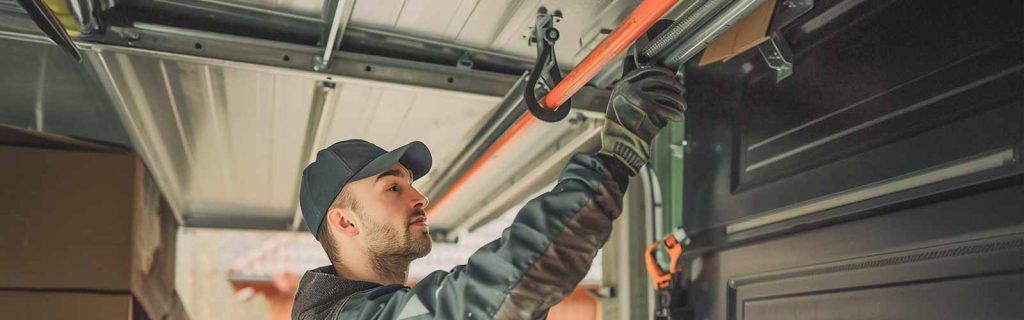
A frayed garage door cable is a clear warning that the door may not lift evenly or remain stable during a full open-and-close cycle. When a garage door cable starts to split, the door can become unbalanced, placing extra strain on the drums, springs, and bottom bracket.
In Hilton Head, SC, humidity and salt air can speed up cable wear and shorten service life. Acting early can reduce safety risks and help you avoid more extensive garage door repair needs tied to misalignment, rough travel, or sudden cable failure.
How Dangerous Is a Frayed Garage Door Cable?
A frayed cable is dangerous because it weakens the lift support that keeps the door balanced, increasing the chance of uneven movement, sudden drops, and system strain that can create serious safety risks inside your garage.
Common ways this condition can escalate include:
- The cable weakens and struggles to support the door’s weight, increasing the risk of a cable break during operation.
- Uneven lifting develops on one side of the door, which can cause track stress and unstable travel.
- The garage door opener compensates for imbalance, which can put excessive strain on internal components.
- A sudden cable snap can allow the door to fall quickly, creating a safety hazard near vehicles and walkways.
- Continuing to operate with visible wear can lead to further damage throughout the garage door system and result in costly repairs.
To understand how professionals assess risk levels and determine the safest course of action, read our blog on Is a Frayed Garage Door Cable Dangerous?, which explains the warning signs homeowners should never ignore.
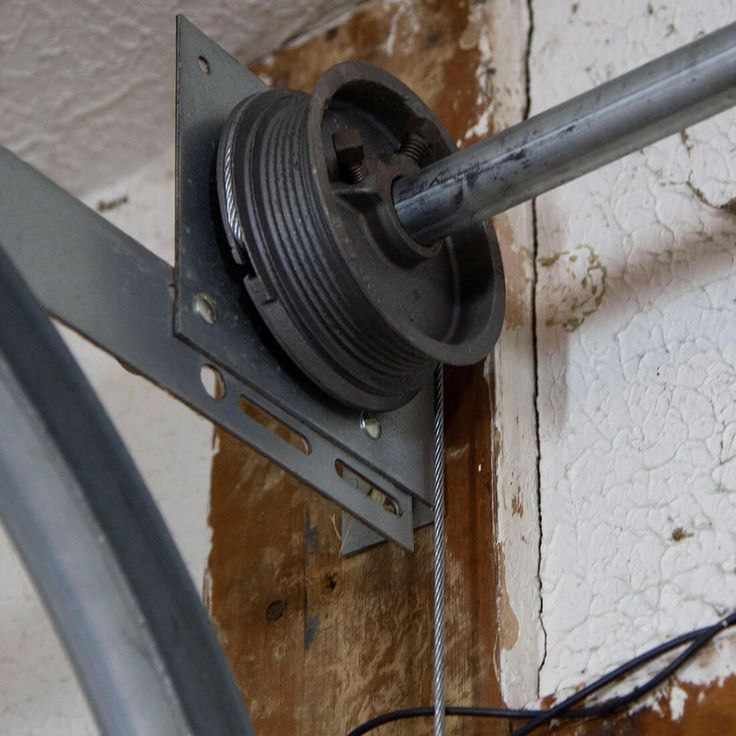
How the Garage Door Cable Supports Safe Door Travel
A garage door cable plays a critical role in lifting and lowering the door in a controlled, balanced way, helping the door stay level, reducing strain on key parts, and supporting safe operation through every cycle.
Key ways the cable supports stable performance include:
- Transfers the lifting force from the spring system to the bottom bracket, preventing the door from slipping or shifting.
- Keeps both sides balanced so the door does not tilt, bind, or move unevenly.
- Wraps onto the drums correctly, so travel stays steady and smooth operation replaces jerky movement.
- Supports normal opener performance by preventing resistance that forces the garage door opener to work harder than it was designed to.
- Protects the entire system by stabilizing lifting, reducing wear on drums, bearings, and other garage door parts.
Knowing what the cable does makes it easier to stay ahead of cable wear through routine upkeep, and the DASMA safety guidance explains why safe operation and regular inspections reduce avoidable door failures.
Why Garage Door Cables Fray and What Makes Them Snap
Garage door cables fray when repeated lifting stress, moisture exposure, misalignment, and worn hardware gradually weaken the strands, leaving the cable unable to support the door’s weight with proper tension.
Common causes that raise failure risk include:
- Cycle fatigue that slowly breaks down strands after years of regular use
- Salt air and humidity that speed corrosion and weaken metal over time
- Drum misalignment that forces the cable to rub instead of tracking cleanly
- Worn bearings or rough drum edges that grind against the cable during travel
- Uneven loading when one side of the door carries more force than the other
- Skipped routine upkeep that allows small cable issues to turn into larger failures
When cycle fatigue, corrosion, misalignment, or worn hardware occur together, the failure risk rises quickly, so read our blog on What Causes a Garage Door Cable to Snap? to see how each factor leads to a snap and what prevents repeat issues.
Signs Your Garage Door Cable Is Starting to Fray
Broken Strands on the Cable
Broken wire strands along a garage door cable indicate that the steel is separating under load, which can quickly turn stable travel into uneven movement and increase the risk of a sudden failure during a normal cycle.
Warning patterns to check include:
- Frayed wires showing near the bottom bracket or lower corner hardware
- Thin spots where the strand bundle looks smaller in one section
- Rough texture along the cable line that worsens with regular use
- Metal dust is collecting near the drum area after door cycles
- Heavier wear on one side of the door compared to the other
Risk: Strand loss can lead to a broken cable and create serious injury or property damage if the door drops or binds.
What to do: Reduce use and schedule service so the lift path and attachment points can be checked before damage spreads into other parts.
Clopay notes that, for garage door cable replacement, visible strand damage is a safety warning sign that should be addressed before continued cycling causes a failure.
Slack Cable or Uneven Wrap on the Drum
Slack or uneven spooling on the drum suggests the garage door cable is no longer tracking correctly, which can pull the door out of level and add extra strain during lifting and lowering.
Clear red flags often show up as:
- Loose segments hanging instead of staying tight through travel
- Crossed wraps where the cable does not sit cleanly in the drum grooves
- A visible gap between wraps that was not there before
- Rubbing sounds near the top corners while the door moves
- Hesitation early in travel that turns into jerky movement
Risk: Poor spooling can cause the cable to slip off the drum, creating a safety hazard and damaging the garage door system.
What to do: Keep cycles to a minimum and schedule a technician to restore proper tension and confirm the drum path is stable without improper handling.
Keeping cycles to a minimum protects the drum and lift path until a technician confirms stable tracking through a garage door maintenance service.
The Door Rises Crooked or Pulls to One Side
A door that lifts crookedly often means one garage door cable is carrying more of the door’s weight than the other, which can stress tracks and create unsafe, uneven travel.
Signals worth treating as urgent include:
- Tilt showing within the first few inches off the floor
- A widening gap on the side of the door that lags behind
- Shaking that repeats at the same spot in travel
- Rollers are riding tight on one track while the opposite side moves more freely
- Uneven movement that worsens as the door nears the top
Risk: Crooked travel can damage tracks and rollers, increasing the chance of a jam or drop that poses serious safety risks.
What to do: Stop running the opener and schedule service to level the lift system and prevent further damage across connected parts.
Early correction helps protect garage door parts and reduces the chance of future issues tied to misalignment.
Noises Near the End Plates During Travel
Grinding, squealing, or popping near the end plates can indicate friction or misalignment around the drums and torsion cables, which can accelerate cable wear and make the garage door opener work harder than it was designed to.
Noise patterns that often match cable issues include:
- Squealing that starts during lift and fades near mid-travel
- Popping when the door changes direction at the floor or header
- Scraping near the drum area that grows louder over time
- A repeating tick that matches drum rotation during movement
- Sound spikes that happen at the same point in every cycle
Risk: Friction and misalignment can lead to cable snaps and increase the chance of potential accidents during normal operation.
What to do: Limit use and schedule an inspection to confirm smooth operation, proper tension, and a stable lift path before wear spreads.
A troubleshooting guide for noisy garage doors from Clopay encourages treating new grinding or squealing as a warning sign rather than as a recurring issue.
The Door Feels Heavy or Drops Too Quickly
A door that feels unusually heavy or drops too quickly suggests that spring tension is not properly supporting the door’s weight, which can make manual handling unpredictable and increase safety risks.
Behavior clues that commonly appear include:
- The door will not stay halfway open and slides downward
- Downward motion feels harder to control near the floor
- Movement surges instead of staying steady for smooth operation
- The door hits the ground harder than normal at close
- Use of the emergency release cord feels risky because the door wants to drop
Risk: Loss of control can create a safety hazard and raise the risk of serious injury during handling or operation.
What to do: Avoid diy repair attempts and arrange professional help so the lift balance and cable condition can be checked with the right tools.
When the door’s weight feels uncontrolled, scheduling garage door spring repair helps confirm safe spring tension and prevent a sudden drop.
Rust or Corrosion on the Cable
Salt air and humidity in Hilton Head, SC, can accelerate rust on garage door cables, weakening strands over time and increasing the risk of failure even when the door still seems to run.
Coastal wear clues to watch for include:
- Orange or brown discoloration along the cable length
- Pitting where the metal surface looks rough or eaten away
- Faster deterioration near attachment points where moisture collects
- Rust returns quickly after cleaning during humid weeks
- Visible signs of wear that worsen after rainy stretches
Risk: Corrosion reduces strand strength and can cause a cable to break, posing safety risks and causing property damage.
What to do: Reduce use, schedule regular inspections, and plan cable replacement before rust leads to sudden failure across the entire system.
AMPP offers a corrosion fundamentals overview that clarifies how rust weakens metal over time, which is why coastal exposure can accelerate cable wear and lead to early failure.
Should You Repair or Replace a Garage Door Cable?
Choosing between garage door cable repair and replacement comes down to the condition of the cable, door balance, and whether the lift system can run safely without slipping, binding, or straining other parts.
|
What You Notice |
What It Often Means |
Safer Next Step |
|
Cable strands are broken or separating |
Strength is compromised, and failure risk rises fast |
Replace the cable and inspect related lift hardware |
|
Cable shows rust pits or heavy corrosion |
Metal integrity is reduced, especially under load |
Replace the cable and address moisture exposure |
|
The cable is slack or off the drum |
Tracking or alignment has shifted |
Have a technician reset tracking and confirm tension |
|
Door lifts crooked or pulls to one side |
One side is carrying more load than the other |
Stop using the opener and schedule an inspection |
|
Door feels heavy or drops faster than normal |
Counterbalance may not be supporting the door correctly |
Stop manual handling and book a service for balance checks |
|
Cable looks intact, but travel is noisy near the drums |
Friction or wear at drums, bearings, or the cable path |
Inspect and correct the wear point before it spreads |
|
The issue started right after the impact of a jam |
Hardware or alignment may be damaged |
Full system inspection to prevent repeat problems |
If the door shows repeated imbalance, corrosion, or strand damage, read our blog on When Should You Replace a Garage Door Cable?, which outlines clear timing cues and safer next steps.
What a Professional Cable Service Should Include in Hilton Head, SC
A professional cable visit should focus on safe handling, proper balance, and full-system checks to ensure the door lifts evenly and stays stable during normal daily use.
|
Service Step |
What It Covers |
Why It Matters |
|
Cable Path Inspection |
Cable condition and routing |
Spots wear before failure |
|
Drum and End Hardware Check |
Drums, bearings, end plates |
Prevents grinding and mis-tracking |
|
Bottom Bracket Review |
Attachment points and fasteners |
Protects the lift connection |
|
Balance and Travel Test |
Level travel and smooth movement |
Reduces uneven movement |
|
Tension-Controlled Adjustment |
Proper tools and safe handling |
Lowers handling risk |
|
Opener Load Check |
Strain and resistance |
Helps avoid further damage |
|
Full-Cycle Verification |
Repeat open and close tests |
Confirms stable operation |
|
Basic Maintenance Notes |
Routine upkeep guidance |
Helps prevent repeat issues |
A checklist-based service like this helps you choose the right provider when searching garage door cable near me in Hilton Head, SC.
Fix Frayed Garage Door Cable Risks Before Failure
A frayed garage door cable is a serious issue, not a minor inconvenience, because the lift system can lose proper tension and control the door’s weight safely through a full cycle. Taking action early helps reduce safety risks, prevent further damage, and avoid bigger garage door repair needs tied to wear across the entire system.
Elite Overhead Garage Doors provides professional service in Hilton Head, SC, for cable inspection, balance checks, and proper installation when a cable replacement is the safest option. If you want us to evaluate your garage door cable and restore safe operation, contact us or give us a call today to address cable wear before it turns into a door failure.